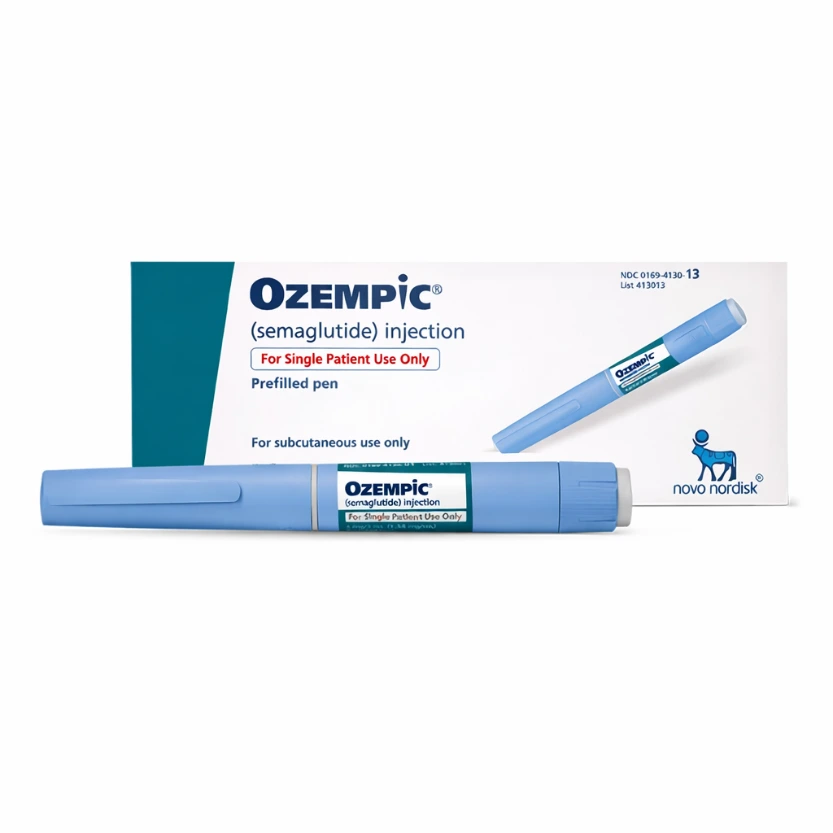
Ozempic® is a prescription medication used to help adults with type 2 diabetes manage blood sugar levels. It belongs to a class of medicines called GLP-1 receptor agonists, which mimic a natural hormone that regulates blood sugar, appetite, and digestion.
In addition to improving glucose control, Ozempic may help reduce the risk of major cardiovascular events such as heart attack or stroke in adults with diabetes and established heart disease.
How Ozempic Works
Ozempic works by activating GLP-1 receptors, helping regulate several important metabolic functions.
It helps the body:
• Release insulin when blood sugar levels rise
• Reduce glucose production by the liver
• Slow digestion to increase feelings of fullness
• Decrease appetite and food cravings
These effects help improve blood sugar stability and overall metabolic health.
How It’s Taken
Ozempic is administered as a once-weekly injection under the skin.
Common injection sites include:
• Abdomen
• Thigh
• Upper arm
For best results, injections should be taken on the same day each week and combined with healthy lifestyle habits such as balanced nutrition and regular physical activity.
Potential Benefits
Treatment with Ozempic may help:
• Improve blood sugar control
• Support appetite regulation
• Reduce cardiovascular risk in eligible patients
• Improve overall metabolic health
Common Side Effects
Some individuals may experience side effects, particularly during the first few weeks of treatment.
Common effects include:
• Nausea
• Vomiting
• Diarrhea
• Constipation
• Abdominal discomfort
• Dizziness
These symptoms are usually temporary and improve as the body adjusts.
Safety Information
Before starting Ozempic, speak with your doctor if you have a history of:
• Pancreatitis
• Thyroid cancer
• Severe gastrointestinal disorders
Ozempic should not be used by individuals with a personal or family history of medullary thyroid carcinoma or multiple endocrine neoplasia syndrome type 2 (MEN 2).
Your healthcare provider should also be informed about any medications, supplements, or existing health conditions before starting treatment.
Missed Dose
If you miss a scheduled dose:
• Take it as soon as possible within 5 days
• If more than 5 days have passed, skip the missed dose and continue with your regular schedule
Do not take two doses at the same time.
Key Facts
Drug Class: GLP-1 Receptor Agonist
Administration: Once-weekly injection
Used For: Type 2 diabetes management and cardiovascular risk reduction
Habit Forming: No
Wegovy® is a prescription medication containing semaglutide, a GLP-1 receptor agonist used for chronic weight management in adults with obesity or overweight with related health conditions. It works by mimicking a natural hormone that regulates appetite, food intake, and digestion.
Wegovy is typically prescribed alongside reduced-calorie nutrition and increased physical activity to support long-term weight management and metabolic health.